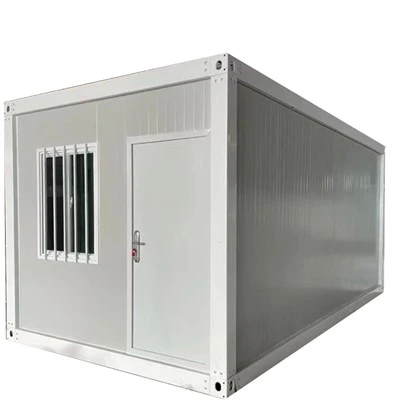
A modular container home presents an innovative, cost – effective, and eco – conscious housing solution. However, when it comes to installing a septic system for such a home, there are several crucial aspects to consider. As a supplier of modular container homes, I’ve witnessed firsthand the importance of a well – installed septic system. Modular Container Homes
Understanding the Basics of a Septic System
Before delving into the installation process, it’s vital to understand what a septic system is. A septic system is an underground wastewater treatment structure commonly used in areas without centralized sewer systems. It consists of two main components: a septic tank and a drain field.
The septic tank is a watertight container where wastewater from the home enters and separates into three layers. The lighter materials, such as grease and oil, float to the top and form a scum layer. The heavier solids sink to the bottom and create a sludge layer. The middle layer, which is relatively clear water, is called effluent.
The drain field, also known as a leach field, is a series of perforated pipes buried in trenches filled with gravel or crushed stone. The effluent from the septic tank flows into the drain field, where it is further treated by the soil. The soil filters out harmful bacteria, viruses, and other contaminants before the water re – enters the groundwater.
Site Evaluation
The first step in installing a septic system for a modular container home is to conduct a thorough site evaluation. The soil type, topography, water table level, and local regulations all play significant roles in determining the suitability of a site for a septic system.
Soil type is perhaps the most critical factor. Sandy soils typically allow water to drain quickly, while clayey soils have a slower drainage rate. A soil test, known as a perc (percolation) test, is usually conducted to measure the soil’s ability to absorb water. If the soil has a poor percolation rate, alternative septic system designs, such as mound systems or aerobic treatment units, may be required.
Topography also affects the installation. A site with a steep slope may require additional engineering to ensure proper drainage and prevent erosion. The water table level is another important consideration. If the water table is too high, it can interfere with the normal operation of the septic system and may lead to groundwater contamination.
Local regulations and permits are essential. Different areas have different requirements for septic system installation, including setbacks from property lines, wells, and water bodies. It’s crucial to obtain all the necessary permits before starting the installation process to avoid legal issues.
Sizing the Septic System
Once the site has been evaluated, the next step is to size the septic system correctly. The size of the septic tank and the drain field is determined by the number of bedrooms in the modular container home and the estimated daily water usage.
As a general rule, a septic tank should have a capacity of at least 1,000 gallons for a single – family home with three or fewer bedrooms. For homes with more bedrooms, the tank capacity may need to be increased accordingly. The drain field size is calculated based on the soil’s percolation rate and the daily volume of wastewater. A professional septic designer can perform the necessary calculations to ensure the septic system is sized correctly.
Installation Process
Excavation
The installation of a septic system begins with excavation. The areas for the septic tank and the drain field need to be dug out to the appropriate depth and size. The excavation should be done carefully to avoid damaging the surrounding soil structure. The bottom of the excavation for the septic tank should be level and firm to provide a stable base.
Septic Tank Installation
Once the excavation is complete, the septic tank can be installed. The tank should be placed in the excavation and leveled using a spirit level. The inlet and outlet pipes should be connected to the plumbing system of the modular container home. It’s essential to ensure that the connections are watertight to prevent leaks.
Drain Field Installation
After the septic tank is installed, the drain field can be constructed. The trenches for the drain field are dug to the specified depth and width. Perforated pipes are laid in the trenches and covered with gravel or crushed stone. The pipes are then connected to the outlet of the septic tank. A layer of soil is placed over the gravel and pipes to protect them and allow for proper filtration.
Backfilling and Restoration
Once the septic tank and drain field are installed, the excavation areas are backfilled with soil. The soil should be compacted gently to prevent settling. After backfilling, the surface of the site is restored to its original condition. Grass can be planted over the drain field area to help with erosion control.
Maintenance and After – care
A septic system requires regular maintenance to ensure its proper functioning and longevity. Here are some essential maintenance tips:
- Pumping the Septic Tank: The septic tank should be pumped every 3 – 5 years to remove the accumulated sludge and scum. Over time, if the sludge and scum are not removed, they can clog the outlet pipes and cause the septic system to malfunction.
- Avoiding Excessive Water Usage: Excessive water usage can overload the septic system and reduce its efficiency. It’s advisable to fix any leaky faucets or toilets promptly and use water – efficient appliances.
- Proper Waste Disposal: Only human waste and toilet paper should be flushed down the toilet. Avoid flushing non – biodegradable items, such as wipes, diapers, and feminine hygiene products, as they can cause blockages in the septic system.
Why Choose Our Modular Container Homes with a Proper Septic System
As a supplier of modular container homes, we understand the importance of providing a comprehensive housing solution. Our modular container homes are designed to be energy – efficient, durable, and customizable. When you choose our homes, you can rest assured that we will work with you to ensure that the septic system is installed correctly and meets all local regulations.
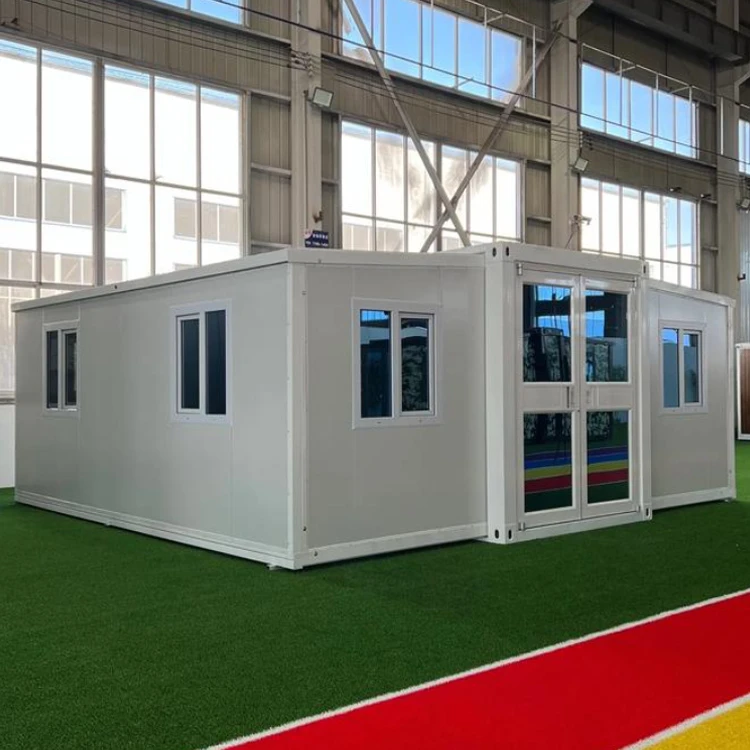
A well – installed septic system not only protects the environment but also provides a reliable and long – lasting wastewater treatment solution for your modular container home. With our expertise and experience in the industry, we can guide you through every step of the process, from site evaluation to maintenance.
Capsule House If you are considering purchasing a modular container home, we encourage you to get in touch with us. We can provide you with detailed information about our homes, the septic system installation process, and answer any questions you may have. Contact us to start the conversation about your dream modular container home and its perfect septic system.
References
- "Septic System Inspection, Maintenance, and Repair". United States Environmental Protection Agency.
- "Septic Tanks and Drainfields: A Homeowner’s Guide". University of Minnesota Extension.
- "Design and Installation of Septic Tank Systems". National Small Flows Clearinghouse.
Jiangsu Suqian Longze Modular Construction Co., Ltd.
As one of the most professional modular container homes manufacturers and suppliers in China, our products have good reputation in the market. Please feel free to buy high quality modular container homes at competitive price from our factory. We also accept customized orders.
Address: No. 8, Weisan Road, Shuanggou Town, Sihong County, Suqian City, Jiangsu Province, China
E-mail: Lzmk88888888@163.com
WebSite: https://www.expandablehousefactory.com/
