If you’ve ever driven past a construction site at 2 a.m. in the middle of winter, or watched a crew paving a road on a rainy weekend, you’ve probably seen them: those bright, mobile towers of light that turn dark, dangerous work zones into safe, productive spaces. For years, as someone who’s been in the tower light supply business for over a decade, I’ve heard the same question from contractors, site managers, and even curious bystanders: How does that thing actually work? It’s not just a big bulb on a stick, after all—there’s a whole system of engineering, purpose-built to withstand the harsh conditions of outdoor work, and designed to deliver consistent, reliable light when the sun goes down. Today, I’m breaking down the science behind tower lights, pulling from years of testing gear for job sites and helping customers pick the right model for their work. Tower Light
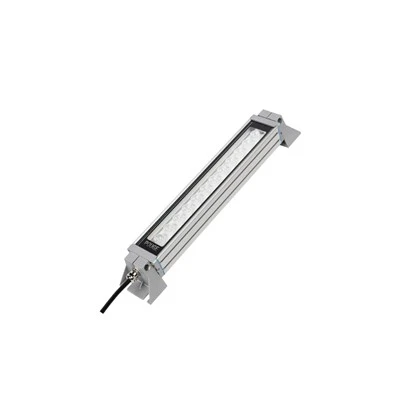
Let’s start with the core of every tower light: the lighting head. This is the part everyone notices, and it’s the workhorse that turns electrical power into visible light. For decades, the standard for tower lights was metal halide lamps. These are high-intensity discharge (HID) bulbs that work by sending an electrical current through a mixture of metal halide salts, mercury, and argon gas sealed inside a glass arc tube. When the current hits, the gas ionizes, creating plasma that heats up the metal salts until they vaporize, producing an intense, cool-white light that closely mimics natural daylight—perfect for work where accurate color visibility matters, like installing electrical wiring or laying tile. Metal halide lamps aren’t perfect, though: they take 5 to 10 minutes to warm up to full brightness, and if you accidentally turn them off before they cool down, they won’t turn back on for another 10 to 15 minutes. That’s a big problem if a sudden storm blows a power cord loose mid-shift, or if you need to relocate the tower light quickly to follow a moving work crew.
More and more, these days, customers are asking for LED tower lights, and for good reason. Light-emitting diodes (LEDs) work on a totally different principle: when electrons flow through a semiconductor material in the diode, they release energy in the form of photons, which is light. LED tower lights don’t have the warm-up time of metal halide bulbs—they fire at full brightness the second you flip the switch, which is a huge win for urgent jobs. They’re also way more energy-efficient: a typical LED tower light uses 60% to 70% less energy than a metal halide lamp of the same brightness, which translates to longer run times on a single battery or fuel tank, and lower operating costs over the life of the unit. Don’t let anyone tell you LEDs aren’t as bright, either; modern high-power LEDs can put out 100,000 lumens or more, enough to illuminate a football-sized work zone so well that you can read a book 50 yards away, no squinting required. The downside? Early LEDs had a problem with harsh, blue-heavy light that could strain workers’ eyes after long shifts, but newer models have color temperature adjustments, often between 3000K (warm, yellowish light) and 5700K (cool, daylight-like light), so you can tailor it to the job and keep crews comfortable.
Next, we have the power system, which is the engine that makes the lighting head run. Tower lights have two main power setups: generator-powered, and battery-powered (often called solar or hybrid battery units). Generator-powered units were the original design, and they’re still the go-to for remote job sites where there’s no access to grid power or sunlight. Most diesel-powered generators in tower lights are compact, Stage V-compliant these days, meaning they meet strict emissions standards so they don’t pump out excess fumes or noise on residential job sites. They’re tuned to run at a consistent RPM, which keeps the voltage steady for the lighting head, and many have auto-start features that kick in when the battery gets low, or when the light detects that the ambient level drops below a set threshold—so you don’t have to run out at 3 a.m. to turn it on and off. The downside of generator units, though, is fuel: you have to keep the tank full, and if you’re working in a remote area with limited fuel access, you might be stuck with a dead tower light mid-shift.
That’s where battery-powered units come in. Solar-only tower lights have large, durable solar panels mounted on the top of the tower, positioned to face the sun for maximum charging, and a heavy-duty lithium-ion battery bank stored in the base that holds enough charge to run the lights for 8 to 12 hours straight—perfect for jobsites that get 6 to 8 hours of sunlight a day, like paving in the summer. Hybrid units take it a step further: they have both a solar charging system and a small generator backup, so if it’s a cloudy week or you’re running the lights for a double shift, the generator kicks in automatically to top up the battery, no manual intervention needed. Lithium-ion batteries are the big upgrade here, too; they last 2 to 3 times longer than old lead-acid batteries, and they’re lighter, so you can move the tower light around the job site without a team of four people.
Then there’s the tower structure itself, which is way more important than it looks. A tower light isn’t just a stick holding a bulb—it’s engineered to be stable, adjustable, and easy to move. Most towers are telescoping, meaning they fold down to a compact height for transport, then extend up to 20, 25, or even 30 feet when fully deployed. That height is intentional: higher towers spread light over a wider area, so one unit can cover the same space as three lower, shorter ones. The height is also adjustable, so you can lower it for windy days (to keep the tower from tipping over) or raise it when you need light over a pile of construction materials or around a deep excavation. The base of the tower is made of heavy-duty steel, often with outriggers that extend out from the sides when the tower is set up, adding extra stability. For soft ground like mud or sand, many bases have optional outrigger pads or wheel chocks to keep the tower from sinking or sliding. And all the moving parts—hinges, winches, the telescoping mechanism—are designed to hold up to 1000+ deployments, so they don’t wear out after a few months on a busy job site.
I should also talk about the control and smart features that modern tower lights have, because these have changed the game a lot in the last five years. Early tower lights were basic: turn the key, pull the lever to extend the tower, and that was it. Now, most units have remote controls, so you can turn the light on and off, adjust the brightness, or even tilt the lighting head from the safety of your truck or the site office. Some have GPS tracking, so you can keep an eye on where your tower lights are—something that’s saved hundreds of customers from losing thousands of dollars in theft over the years. There are also units with motion sensors, which dim the light to 10% brightness when no one is nearby, then crank it up to full brightness when a worker walks or drives into the area. That’s not just convenient—it cuts energy use by another 30% and extends battery life by hours, which is a huge cost saver.
Now, let’s get real about how all this works together in a real-world job, because that’s what most customers care about. Last year, I worked with a road construction crew doing a resurfacing project on a rural highway, 20 miles from the nearest town. They ordered 12 hybrid LED tower lights for the project, and here’s how we set them up. First, we placed each tower light 150 feet apart along the work zone, which is the sweet spot for light coverage without overlapping too much. We used the remote control to extend each tower to 28 feet, then tilted the lighting heads so they pointed down at a 15-degree angle towards the road, not straight up into the sky (which would waste light and cause glare for drivers). The crew selected a color temperature of 5000K, which is daylight, so it was easy to see the texture of the asphalt and make sure the new layers were smooth. We set the motion sensors to trigger at 50 feet, so the lights would dim when the crew took a 15-minute break, then brighten back up when they got back to work. The hybrid system meant that even with three weeks of overcast, rainy weather, the battery never dropped below 20%, and we never had to refuel the generator once over the course of the 6-week project. That’s the kind of performance that makes tower lights worth the investment, not just a big metal stick on a job site.
Of course, nothing is perfect, and there are common issues that come up with tower lights, even the best ones. The most common problem I see is dirty solar panels—they get covered in dust, mud, or construction debris, so they can’t charge properly, which leads to the battery dying mid-shift. I always tell customers to make a weekly check to wipe down the panels with a soft cloth, it takes 5 minutes and can save you a lot of downtime. Another common issue is faulty wiring or loose connections on the lighting head, especially if the crew is moving the tower light often and jostling the parts. The good news is that most of these problems are easy to fix, and we stock replacement parts for all the models we supply, so you don’t have to wait weeks to get your tower light back up and running.
If you’re reading this as a site manager, contractor, or anyone who’s responsible for getting light to work after dark, you know that choosing the right tower light isn’t just about picking the brightest one you can find. It’s about matching the power system to your site’s location, the height to cover your work zone, and the features to fit your crew’s needs—whether that’s remote controls for a big site, motion sensors to save energy, or generator backup for remote areas. As a tower light supplier, my job isn’t just to sell you a unit; it’s to help you pick one that works for your specific job, and be there if you have questions or need support down the line.
If you’re planning a project that needs reliable, durable tower lighting, or you have questions about which model is right for you, don’t hesitate to reach out to discuss your needs and find the right solution for your work.
Electrical Cabinet Light References
- Occupational Safety and Health Administration. (2021). Lighting for Construction and Other Exterior Work Sites. U.S. Department of Labor.
- American National Standards Institute. (2022). Standard for High-Intensity Discharge Lamps for General Service. ANSI C78.16.
- International Dark-Sky Association. (2020). Best Practices for Outdoor Lighting on Construction Sites. IDA Technical Report No. 2020-01.
- National Electric Manufacturers Association. (2021). Standard for Portable Worksite Light Towers. NEMA WP 1-2021.
- United States Environmental Protection Agency. (2022). Emissions Standards for Nonroad Engines: Compression-Ignition (Diesel) Engines. EPA 420-F-22-004.
Suzhou Pouge Lighting Electrical Appliance Co., Ltd.
As one of the most professional tower light manufacturers and suppliers in China, we also support customized service. Please feel free to wholesale advanced tower light made in China here and get quotation from our factory. For price consultation, contact us.
Address: Building 6-501, No.1330, Jinfeng South Road, Mudu Town, Wuzhong District, Suzhou City, China
E-mail: xduanlyy@126.com
WebSite: https://www.pouge-light.com/
