In the world of construction and interior design, honeycomb panels have emerged as revolutionary building materials, offering a unique combination of strength, lightweight properties, and versatility. As a supplier of SPC (Stone Plastic Composite) honeycomb panels, I am often asked about the differences between SPC honeycomb panels and aluminum honeycomb panels. In this blog, I will delve into the characteristics, applications, advantages, and disadvantages of both types of panels to help you make an informed decision for your next project. SPC Honeycomb Panel

Composition and Structure
SPC Honeycomb Panels
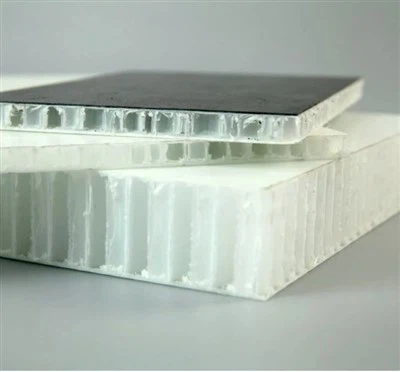
SPC honeycomb panels are composed of a core layer with a honeycomb structure and surface layers of SPC material. The honeycomb core, typically made of paper or other lightweight materials, provides excellent structural support while keeping the panel lightweight. The SPC surface layers are a blend of limestone powder, polyvinyl chloride (PVC), and plasticizers, which gives the panels their durability, water resistance, and fire retardancy.
Aluminum Honeycomb Panels
Aluminum honeycomb panels consist of an aluminum honeycomb core sandwiched between two aluminum sheets. The honeycomb core is made by bonding aluminum foil into a hexagonal honeycomb structure, which offers high strength-to-weight ratio and excellent stiffness. The outer aluminum sheets are typically coated with a protective finish to enhance their corrosion resistance and aesthetic appeal.
Physical Properties
Weight
One of the most significant differences between SPC honeycomb panels and aluminum honeycomb panels is their weight. SPC honeycomb panels are generally lighter than aluminum honeycomb panels due to the use of lightweight materials in their construction. This makes them easier to handle and install, especially in applications where weight is a concern, such as in aerospace and transportation industries.
Strength and Stiffness
Despite their lightweight nature, SPC honeycomb panels offer good strength and stiffness. The honeycomb core provides excellent load-bearing capacity, while the SPC surface layers enhance the panel’s resistance to impact and abrasion. Aluminum honeycomb panels, on the other hand, are known for their high strength and stiffness. The aluminum honeycomb core and outer sheets work together to provide exceptional structural integrity, making them suitable for applications that require high load-bearing capacity, such as in building facades and industrial equipment.
Fire Resistance
SPC honeycomb panels have excellent fire resistance properties. The SPC material used in the surface layers is inherently fire retardant, and the honeycomb core also contributes to the panel’s overall fire resistance. Aluminum honeycomb panels are also fire-resistant, as aluminum is a non-combustible material. However, the protective coating on the outer aluminum sheets may affect their fire performance, so it is important to choose panels with a suitable fire rating for your application.
Water Resistance
SPC honeycomb panels are highly water-resistant due to the waterproof nature of the SPC material. They can be used in wet or humid environments without the risk of swelling, warping, or delamination. Aluminum honeycomb panels are also water-resistant, but they may require additional sealing or coating to prevent water penetration in areas with high moisture levels.
Aesthetic Appeal
SPC Honeycomb Panels
SPC honeycomb panels offer a wide range of aesthetic options, including various colors, patterns, and textures. The SPC surface layers can be printed with realistic wood grain, stone, or other designs, giving the panels a natural and elegant look. They can also be embossed with different textures to enhance the visual and tactile experience.
Aluminum Honeycomb Panels
Aluminum honeycomb panels have a sleek and modern appearance. The outer aluminum sheets can be finished in different colors and coatings, such as anodized, painted, or powder-coated, to achieve the desired aesthetic effect. They are often used in contemporary建筑 and interior design projects to create a clean and minimalist look.
Applications
SPC Honeycomb Panels
SPC honeycomb panels are versatile and can be used in a variety of applications, including:
- Interior wall cladding: They can be used to add a decorative touch to interior walls in residential and commercial buildings.
- Flooring: SPC honeycomb panels are suitable for both residential and commercial flooring applications due to their durability and water resistance.
- Furniture: They can be used in the manufacture of furniture, such as cabinets, desks, and shelves, to provide a lightweight and strong alternative to traditional materials.
- Transportation: SPC honeycomb panels are used in the aerospace and automotive industries to reduce weight and improve fuel efficiency.
Aluminum Honeycomb Panels
Aluminum honeycomb panels are commonly used in the following applications:
- Building facades: They are widely used in the construction of high-rise buildings and commercial structures to provide a lightweight and durable cladding solution.
- Partition walls: Aluminum honeycomb panels can be used to create partition walls in offices, hotels, and other commercial spaces.
- Industrial equipment: They are used in the manufacture of industrial equipment, such as machine enclosures and conveyor belts, due to their high strength and stiffness.
- Transportation: Aluminum honeycomb panels are used in the aerospace, automotive, and marine industries to reduce weight and improve performance.
Advantages and Disadvantages
SPC Honeycomb Panels
- Advantages:
- Lightweight and easy to handle and install.
- Excellent water and fire resistance.
- Wide range of aesthetic options.
- Cost-effective compared to aluminum honeycomb panels.
- Disadvantages:
- Lower strength and stiffness compared to aluminum honeycomb panels.
- May not be suitable for applications that require high load-bearing capacity.
Aluminum Honeycomb Panels
- Advantages:
- High strength and stiffness.
- Excellent fire and corrosion resistance.
- Sleek and modern appearance.
- Suitable for applications that require high load-bearing capacity.
- Disadvantages:
- Heavier and more difficult to handle and install compared to SPC honeycomb panels.
- Higher cost compared to SPC honeycomb panels.
Conclusion
In conclusion, both SPC honeycomb panels and aluminum honeycomb panels have their own unique characteristics, advantages, and disadvantages. When choosing between the two, it is important to consider your specific project requirements, such as weight, strength, fire resistance, water resistance, aesthetic appeal, and budget. If you are looking for a lightweight, cost-effective, and versatile panel with good water and fire resistance, SPC honeycomb panels may be the right choice for you. On the other hand, if you need a panel with high strength, stiffness, and a sleek modern appearance, aluminum honeycomb panels may be more suitable.
Aluminum Composite Panel As a supplier of SPC honeycomb panels, I am committed to providing high-quality products and excellent customer service. If you have any questions or need further information about SPC honeycomb panels or would like to discuss your project requirements, please feel free to contact me. I look forward to working with you to find the perfect solution for your next project.
References
- Building Materials Handbook, McGraw-Hill Education
- Aluminum Association, Inc. Technical Publications
- SPC Industry Reports and Studies
Zhejiang Jusen Building Materials Technology Co., Ltd.
We’re well-known as one of the leading spc honeycomb panel manufacturers and suppliers in China, also support custom service. Please feel free to wholesale high quality spc honeycomb panel made in China here from our factory. For more information, contact us now.
Address: No.7, Tongyuan Shiquan Industrial Park, Haiyan County, Jiaxing City, Zhejiang Province
E-mail: sales@jusenzj.com
WebSite: https://www.honeycomb-js.com/
