If you’ve ever been in the market for flexible pallets—whether you’re a warehouse manager, a logistics coordinator, or someone who just deals with shipping and moving bulk goods day in and day out—you’ve probably asked yourself (or your supplier) this: why do flexible pallets cost what they do? When I started my own flexible pallet company, I had no clue. I thought it was just “materials plus labor” and that was that. But after a decade of messing with quotes, troubleshooting last-minute pricing changes, and helping clients figure out their budgets, I can tell you there’s way more to it than that. This isn’t some hidden industry secret, but most suppliers won’t break it down like I will—partly because it’s tedious, and partly because they don’t want you to shop around too hard. Let’s cut through the noise and get real about how flexible pallet prices get set, from someone who’s actually in the warehouse and on the phone with buyers every single day. Flexible Pallet
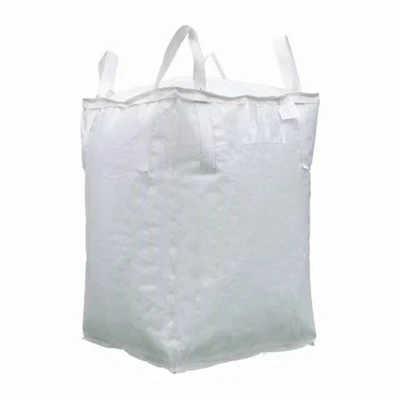
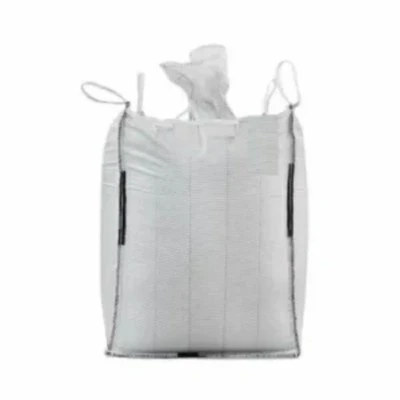
First off, let’s make sure we’re on the same page about what flexible pallets are, because that changes everything. These aren’t those old, heavy wooden pallets that rot if you spill a little water. We’re talking about those lightweight, tough, reusable ones made from woven polypropylene, sometimes with extra stitching, maybe coated for moisture resistance, built to hold 2,000 to 5,000 pounds (sometimes more, if you need it). They fold up when you’re not using them, so they’re great for shipping back empty—saves a ton of space and money compared to wooden pallets, which take up the same room whether they’re full or empty. But all that versatility means there’s no one-size-fits-all for pricing, and that starts with the biggest factor: materials.
When I first started, I thought all polypropylene was the same. Wrong. There’s virgin resin, which is brand new plastic that hasn’t been used before, and then there’s recycled resin, which is made from old plastic bottles, pallets, whatever. Virgin is way stronger, more consistent, doesn’t have that weird cloudy tint, and holds up to heavy use or rough handling way better. But it’s also 30-40% more expensive than recycled resin right now. If a supplier quotes you a flexible pallet super cheap, chances are they used a lot more recycled material, maybe even mixed in some lower-grade plastic that breaks down after a few uses. I had a client once who bought $10 pallets from a no-name supplier, and half of them split on their first load of garden soil. He ended up paying twice as much in replacement fees and labor to fix the mess than if he’d bought quality ones from day one. So material grade isn’t just a number—it’s a make-or-break for price.
Then there’s the thickness and strength rating of the pallet. We measure flexible pallets in terms of how much weight they can safely hold, called their dynamic capacity (that’s when they’re being moved with a forklift or pallet jack) vs. static capacity (when they’re just sitting in a warehouse). A pallet rated for 2,000 pounds is way thinner, uses less material, so it’s cheaper than one rated for 5,000 pounds. But here’s the thing: some suppliers exaggerate their weight ratings. They’ll say a pallet holds 5,000 pounds when it really only holds 3,500, just to get your business. I stopped doing that years ago—my old sales guy tried it once, and we got a complaint from a food manufacturer whose pallets split and ruined a batch of frozen veggies. Not worth the savings on a few bucks per pallet. So if a quote seems too good to be true, ask for the actual test data on the weight rating, not just the sales pitch. That extra layer of testing adds to the cost, but it’s worth it.
Next up: manufacturing and production costs. This is where a lot of people miss the fine print. Flexible pallets aren’t just cut and stitched out of plastic. We use looms to weave the polypropylene into fabric first, then we cut it to size, add reinforcements at the corners (that’s where most pallets tear, by the way—so we put extra heavy-duty patches there), stitch it with high-strength thread, and then add features if you want them. All of that costs time and labor, which varies a lot depending on where the pallet is made. If it’s made overseas in a country with lower labor costs, the per-pallet price will be lower, but you have to wait longer for shipping, and there’s more risk of delays or quality issues. If it’s made locally here in the U.S., for example, labor is higher, so the pallet is a bit more expensive, but you get it faster, and if there’s a defect, we can replace it in a day or two instead of weeks. I’ve had clients choose overseas pallets to save 50 cents per pallet, then wait 6 weeks for a shipment that had 10% defects. That 50 cent savings turned into a $2,000 headache for them. So production location matters, and it’s baked right into the price.
Custom features are another huge part of pricing, and this is where a lot of buyers get caught off guard. Do you need the pallet in a specific color so it stands out in your warehouse? Do you need it printed with your company logo for branding? Do you need it coated with UV protection if you’re storing it outside? Or maybe you need extra handles so your workers can move it more easily without getting poked by the edges? All of these add cost. For example, printing a logo on each pallet might add 20 to 50 cents per unit if you order a small quantity, but if you order 10,000, it’s only a few cents. I tell people: the less custom you need, the lower the price. If you can go with a standard black woven pallet without extra frills, that’s going to be cheaper than a custom-colored, coated one with your logo. It sounds obvious, but so many buyers add “nice-to-have” features that they don’t actually need, just because it feels like a small cost at first, then it adds up for thousands of pallets.
Quantity is the big one, though—let’s be real. If you need 10 pallets for a one-time move, the price per pallet is going to be way higher than if you need 10,000 for regular weekly shipments. Manufacturing and shipping both have fixed costs, not just per-unit costs. So if a supplier quotes you $15 per pallet for 10, that’s because they have to set up the machine, cut the fabric, process the order, all for a small number of units. If you order 1,000, that same supplier might charge $8 per pallet, because all those fixed costs get spread out over more units. I see this all the time: small businesses come to me asking for 50 pallets, want the big bulk discount, and I have to explain that the discount only kicks in at 500 or 1,000. It’s not that I’m being greedy—it’s just math. The fixed costs don’t disappear when you order fewer units. So if you’re going to be using flexible pallets regularly, plan for larger orders up front, and you’ll save a ton in the long run.
Don’t forget shipping and logistics costs, either. That’s the part most suppliers hide in the quote, but it’s a huge part of the final price. If I’m sending pallets to a warehouse 2 hours away, the shipping cost is $200 total, so that’s $0.20 per pallet if I’m sending 1,000, but $20 per pallet if I’m sending 10. If I have to send them cross-country, or even internationally, that adds even more. Also, flexible pallets fold, so they’re easy to stack for shipping when empty, but when they’re full, they’re just like any other bulk cargo. Some suppliers will offer free shipping for orders over a certain amount, which is a good deal, but make sure you’re not just getting a markup in the pallet price to cover free shipping. I always break out shipping separately for my clients so they know exactly what they’re paying for.
Wait, there’s also regulatory and compliance stuff, especially if you’re shipping internationally or dealing with regulated industries like food, pharmaceuticals, or chemicals. If your flexible pallet has to meet FDA standards for food contact, or IPPC standards for international shipping (so it’s not carrying pests), that adds testing and certification costs. Those aren’t hidden fees—they’re necessary to make sure your pallet is legal to use and won’t get your shipment stuck in customs. A standard pallet that’s not certified for food contact is cheaper, but if you’re shipping produce or snacks, that’s a non-starter. I had a client in the produce industry once who tried to use uncertified flexible pallets, and he got a $10,000 fine from the FDA. That’s way worse than paying an extra dollar per pallet for certified ones. So compliance isn’t a markup—it’s a protection for your business.
Let me also talk about something that most suppliers don’t mention: lifespan and total cost of ownership. I said earlier that a cheaper pallet might split, so you have to replace it more often. Let’s do a quick math example. Suppose Pallet A costs $8, and it only lasts 5 uses before it’s too torn to use. That’s $1.60 per use. Pallet B costs $12, and it lasts 15 uses. That’s $0.80 per use. So even though Pallet B is more expensive upfront, it’s half the cost per use. That’s the part that trips up buyers all the time—they only look at the upfront price, not how long the pallet actually works. I’ve had a lot of clients switch from cheap pallets to mine, and their monthly pallet costs dropped by 30% just because they didn’t have to replace them every other week. That’s a huge difference for a business that uses thousands of pallets a month.
So putting it all together: when a supplier gives you a quote for flexible pallets, you should be able to break down the price into these parts: material grade and thickness, manufacturing quality and location, custom features (if any), order quantity, shipping, compliance, and lifespan. No one part is the only factor, and that’s why two suppliers can give you totally different quotes for what seems like the same pallet. I’ve had a client get quotes from three suppliers for the same pallet, and the prices were $7, $10, and $15. The $7 one was made with 80% recycled plastic, no corner reinforcements, and had a 3-use lifespan. The $10 one was virgin core, reinforced corners, certified for food, and lasted 12 uses. The $15 one was custom printed with their logo, coated for UV, and local delivery. So all three were “flexible pallets,” but totally different products at different price points.
If you’re shopping around, don’t just go for the lowest price. Ask the supplier to walk you through what’s included in that price: what’s the material grade? What’s the weight rating (and can you show me test data)? How long does the pallet last on average? What’s the turnaround time? What are the shipping costs? What certifications do these have? Any real supplier should be able to answer all these questions openly. If they dodge, or give you vague answers like “it’s just our standard pricing,” that’s a red flag.
At the end of the day, I built my business around being transparent about pricing. I don’t do hidden fees, I don’t overcharge for custom stuff, and I don’t sell pallets that will cost my clients more in the long run. If you’re in the market for flexible pallets, whether you need a small order for a one-time job or a bulk monthly supply, shoot me a message to chat through your needs. We can figure out exactly what you need, no fluff, no hidden costs, and get you a fair price that works for both of us. No hard sells, no fine print—just honest pricing for a product that actually makes your shipping and logistics easier.
FIBC Bag References:
- Flexible Intermediate Bulk Containers (FIBC) Association. (2022). Standard Specifications for Woven Polypropylene Bulk Bags and Flexible Pallets. FIBCA Publications.
- Smith, J. (2021). Sustainable Packaging: Cost Drivers and Lifecycle Analysis of Reusable Flexible Pallets. Journal of Supply Chain Management and Logistics.
- U.S. Food and Drug Administration (FDA). (2020). Compliance Guidelines for Flexible Packaging Materials in Food Contact Applications. FDA Center for Food Safety and Applied Nutrition.
- Global Business Travel Association (GBTA). (2023). Logistics Cost Benchmark Report: Shipping and Handling of Bulk Warehouse Goods. GBTA Industry Research.
- European Federation of Packaging and Paper Industries (FEPE). (2022). Standardized Testing Methods for Flexible Packaging Durability and Strength. FEPE Technical Guidelines.
Heze Jinniu Plastics Co., Ltd.
As one of the most professional flexible pallet manufacturers in China, we have world-leading production equipment and strong manufacturing capabilities. Please rest assured to wholesale bulk high quality flexible pallet for sale here from our factory.
Address: South section of Renmin Road, Heze City, Shandong Province
E-mail: lishaobin2379@163.com
WebSite: https://www.jnbulkbags.com/
