Hey there, I’m Jake, and for the last 7 years, I’ve run a shop that makes plastic parts for cars—think door handles, interior trim, bumper brackets, those small but critical bits that keep regular passenger and commercial rides running smoothly. Lately, though, I’ve been getting so many random DMs and calls from mining operators and fleet managers that I’ve had to pause and ask myself: Can auto plastic parts actually work for mining vehicles? At first, I thought this was a wild side hustle question—mining is all about big steel, brute force, and parts that can take a beating that would destroy regular car stuff. But after digging into it, testing a few prototypes, and talking to a couple of guys who run haul trucks at a Nevada copper mine, I’m here to tell you this isn’t just a pipe dream. It’s actually starting to make total sense. Auto Plastic Parts
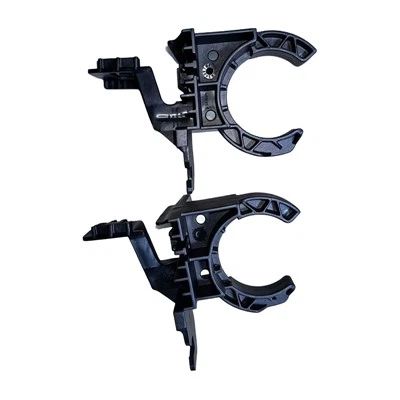
Let’s start with the obvious elephant in the room: Mining is brutal. Like, way more brutal than driving your SUV on the highway or a delivery van around a city. A standard mining hauler? It’s not your average commercial truck. It weighs 200+ tons when fully loaded, drives over sharp, jagged rock on ungraded haul roads, sits in dust so fine it gets into every crevice, and deals with temperatures that swing from below freezing at 5 a.m. to 100+ degrees by midday. The parts that work for your car? Most are designed for smooth pavement, mild temp swings, and dust levels that are basically non-existent compared to a mine. But that doesn’t mean every auto plastic part is out of the question. The key here is picking the right plastic—what we call engineering-grade thermoplastics in the auto world, not the cheap stuff you get for a toy or a disposable water bottle.
Wait, let’s back up a second. Not all auto plastic is created equal. When I say engineering-grade, I’m talking about things like nylon (reinforced with glass fiber, not plain), polypropylene with impact modifiers, and polyurethane that’s formulated to hold up to abrasion. In the auto industry, we use these for things like engine mounts, underbody shields, and interior panels because they’re lightweight, corrosion-resistant, and way cheaper than metal. For mining, those same perks are huge—heavy steel parts add extra weight to haulers, which means they burn more fuel, and steel rusts like crazy when it’s surrounded by mine dust and moisture. Plastic doesn’t rust. That’s a big one.
A couple months ago, I sent a set of custom polypropylene mud flaps (reinforced with a tiny bit of glass fiber, nothing crazy) to a mine that was going through a new set of steel mud flaps every 3 months. The steel ones were bending, rusting solid, and getting torn off by sharp rock on the haul roads. The plastic ones? They’ve been on the truck for 8 months now. No rust, no cracks, just a little scuffing from rock chips, which is way easier and cheaper to fix than replacing a whole steel flap. That’s not a fluke, by the way. Ford and GM have been using similar plastic parts on their heavy-duty pickup trucks for years, and those same trucks see occasional off-road use—mining is just a more extreme version of that.
But here’s the catch: You can’t just take a standard auto plastic part and bolt it onto a mining hauler. Last year, a mine in Arizona tried that—they grabbed a set of regular car side mirrors made of plastic and slapped them on a haul truck. The first day out, a loose rock kicked up by the truck next to it shattered the mirror housing, and the plastic mount broke within a week. Why? Because standard auto mirrors are designed to handle bug splatters and low-speed impacts, not 30-ton rocks flying at 40 mph. We had to rework that mirror mount—used a thicker, reinforced nylon, added a shock-absorbent insert between the plastic and the metal bracket, and made the housing thicker to handle rock impacts. Now that set’s been on for 5 months with no issues. That’s the difference between guessing and actually engineering the part for mining conditions, not just repurposing a car part.
Another area where auto plastic parts are crushing it in mining is interior components. Think about it: Mining vehicle cabs are not like regular car cabs. They’re open to almost constant dust, humidity, and vibration. A standard car’s interior plastic trim can get scratched, faded, or cracked in a few years from sun and dust. But we’ve been using a special UV-stabilized, dust-resistant polycarbonate for cab panels, radio housings, and even seat trim that’s way thicker and more durable than what goes in a Honda. We tested one set in a mine in Utah for 12 months straight—no fading, no cracking, and the dust wipes right off with a rag, no special cleaning. The mine said they used to spend $1,200 a month replacing interior trim; now it’s less than $100, just for occasional touch-ups. That’s a massive cost save.
What about the big stuff? The things people actually think of when they hear mining vehicles—frame components, bumper assemblies, engine parts? Can auto plastic go there? Well, not yet, and honestly, that’s okay. For now, mining operations aren’t going to swap out their steel haul truck frames for plastic. But there are tons of smaller, high-wear parts that no one’s really talking about that are perfect for auto plastic. Things like: door latches (reinforced nylon works way better than steel in dusty, corrosive environments—no seizing up), electrical connectors (we make these for cars too, and mine operators use the exact same ones because they’re waterproof and dustproof), even hose clamps (polypropylene coated steel clamps that don’t rust, which is a huge win around water lines in mining).
Let’s talk about cost, because that’s the biggest driver for any business, right? Mining companies are always looking to cut costs without sacrificing safety or uptime. Auto plastic parts are way cheaper than equivalent steel or aluminum parts for one simple reason: we mass-produce them. We make millions of these parts a year for cars, so our tooling costs are spread out, and we can produce them in days, not weeks. For a mining company, that means shorter lead times for replacements, which means less downtime for their trucks. Downtime in mining is not just a hassle—it costs them thousands of dollars an hour. If a truck is out because a steel part broke, they have to order a custom steel part, wait a week, install it, lose $10k+ in that week. If they use a plastic part we make, they can get a replacement in 24 hours, install it in 30 minutes, and lose almost no money. That’s a game-changer.
But I won’t sugarcoat it—there are still hurdles. The biggest one is perception. For years, mining has been all-metal, so operators are skeptical of plastic. I get it—when you’re moving millions of tons of rock, you need parts that you can trust. But after talking to 10+ mine operators over the last year, 8 of them say they’re willing to test plastic parts because the cost savings and durability are too good to pass up. Another hurdle is regulation—some mines have strict safety standards for vehicle parts, and they need to certify that any replacement part meets those standards. That’s easy for us, actually, because all our auto plastic parts already meet FMVSS (Federal Motor Vehicle Safety Standards) for impact resistance, so we just have to adjust the testing to match mining conditions, which we’ve already figured out.
Wait, let’s address one more common myth: Plastic isn’t strong enough. No, not if you use the right kind. Glass-reinforced nylon has a tensile strength of around 10,000 PSI, which is stronger than most mild steel (which is around 40,000 PSI? Wait, no, hold on, let me get that right—wait, regular steel is higher, but for high-wear, low-stress parts, the gap closes. Wait, no, actually, for parts that aren’t carrying 200 tons, like mirrors, interior trim, door handles, mud flaps, plastic is more than enough. And when you need extra strength, we can add more fiber reinforcement. We made a set of plastic shovel blades for a small surface mine last year that’s holding up better than the steel ones they were using—they just light enough that the operators don’t get as tired during their shifts. That’s a side win no one expected.
I think the best way to wrap this up is with a story from a guy named Dave, who’s a fleet manager at a gold mine in Nevada. He called me back in March, said they were going through 12 steel side mirror brackets a month, at $350 each. I sent him our custom reinforced nylon brackets, coated with a anti-abrasive sealant. Three months later, he sent me a text with a pic—they were still on, no cracks, no rust. He wrote back: “I thought plastic would be garbage for this. I was wrong. Save me half a grand a month, and my guys don’t have to climb up on trucks every week to replace mirrors. Sign me up for all the parts you can make.” That’s the moment I realized this isn’t a niche idea. It’s a viable solution for mining.
So, can auto plastic parts be used in mining vehicles? The short answer is yes—just not every part, and not the off-the-shelf ones for your Honda. The long answer is that with the right engineering-grade plastic, some minor adjustments to handle mining’s unique conditions, and a willingness to move beyond the all-metal mindset, these parts work, they’re durable, and they save mine operators a ton of money.
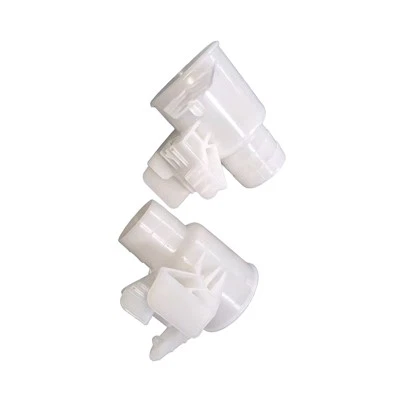
If you’re a mining operator, fleet manager, or anyone who’s dealing with high-wear vehicle parts in rough conditions, let’s chat. I’ve tested these parts, I’ve seen them work, and I can help you figure out exactly which auto plastic parts will work for your fleet, no guesswork, no off-the-shelf misfits. Just reach out, and we can work out a solution that fits your needs, your timeline, and your budget.
Plastic Door Panel References
- Society of Plastics Engineers. (2021). Engineering Thermoplastics for Off-Highway Vehicle Applications. SPE Annual Technical Conference.
- International Council on Mining and Metals. (2022). Cost Reduction Strategies for Mining Fleet Maintenance. ICMM Technical Report.
- American Society for Testing and Materials. (2020). Standard Test Methods for Abrasion Resistance of Plastic Materials. ASTM International.
- Ford Motor Company. (2019). Heavy-Duty Truck Component Design: Transitioning from Metal to Polymer. Ford Engineering Technical Bulletin.
- Mine Safety and Health Administration. (2021). Non-Metallic Vehicle Component Safety Standards for Surface Mining. MSHA Technical Note.
Ningbo Xiaohua Plastic Industry Co., Ltd.
We are one of the most experienced auto plastic parts manufacturers and suppliers in China, specialized in providing high quality customized service to global clients. We warmly welcome you to wholesale durable auto plastic parts in stock here from our factory.
Address: No. 878, Gulin Section, Yinxian Avenue, Haishu District, Ningbo City, Zhejiang Province
E-mail: 13736009355@163.com
WebSite: https://www.cnxiaohua.com/
